Divine Desserts from the Land of Lord Jagannath
ଜଗନ୍ନାଥଙ୍କ ପ୍ରିୟ ମିଠାର ମାଠ – ଓଡ଼ିଶା
Odisha is a paradise for anyone with a sweet tooth. From temple kitchens to village homes, sweets are not just desserts here – they are bhoga, prasad, blessings and memories. Each sweet is prepared with fresh chhena, patience, and devotion that has been passed down for generations.
On this page, we celebrate 15+ legendary Odia sweets – with origins, emotions, and the stories that make them sacred. Close your eyes, read slowly, and you will almost smell the ghee, sugar and cardamom in the air.
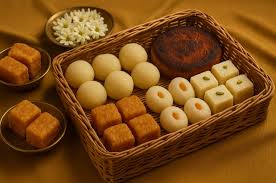
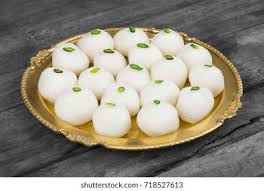
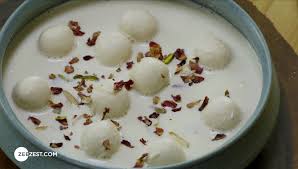
Soft, spongy white balls of fresh chhena simmered gently in thin sugar syrup – Rasagola is the crown jewel of Odia sweets. Unlike the denser versions found elsewhere, Odisha’s GI-tagged “Odisha Rasagola” is cloud-like, juicy and unbelievably light on the stomach.
The town of Pahala, on the highway between Cuttack and Bhubaneswar, is considered the heartland of Rasagola making. Rows of small sweet shops start boiling huge cauldrons of syrup at dawn, and by mid-morning, the air is filled with sweet steam and temple bells in the distance.
According to tradition, after the grand Rath Yatra, Lord Jagannath offers Rasagola to Goddess Lakshmi during “Niladri Bije” to appease her and convince her to let Him enter the temple again. Every Odia child grows up hearing that even God says sorry with Rasagola.
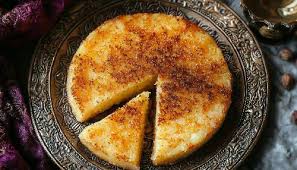
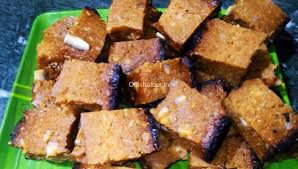
Chhena Poda is what happens when a genius accidentally bakes chhena with sugar for too long – and creates magic. Born in the town of Nayagarh, this “burnt cheesecake” of Odisha is made by slow-baking fresh chhena, semolina and sugar inside sal leaves or moulds until the top turns dark and caramelized.
The burnt crust adds a smoky depth, while the inside stays moist and grainy. No frosting, no decorations – just rustic beauty. It is believed that a sweet maker once left sweetened chhena in a warm oven overnight, and tasted it the next morning. The result was so delicious that it became a legend.
For many Odias, no train journey is complete without carrying a full Chhena Poda cake, carefully wrapped, so that the smell fills the compartment and makes strangers ask, “Bhai, Odisha ru asuchhanti ki?”
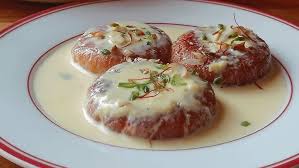
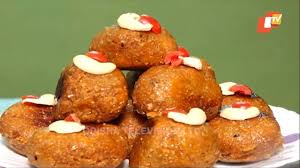
Originating from Kendrapara and the famous Baladevjew Temple, Rasabali is a flattened fried chhena patty soaked in thickened, cardamom-flavoured milk. The edges absorb the rabri while the centre stays slightly chewy, creating a beautiful contrast in every bite.
It is believed that Rasabali travelled from temple offerings to village feasts, and today it is a must-have sweet at weddings and special pujas. When served chilled in a steel bowl with a little rabri dribbling over the side, it feels like a blessing in edible form.
Khaja is a layered, flaky sweet made of wheat flour and ghee, deep-fried and then dipped in sugar syrup. It is one of the most iconic prasad items of the Jagannath Temple in Puri and has been offered for centuries.
The outer layers are crisp, while the inner layers are slightly soft with a hint of syrup trapped inside. Khaja travels well and doesn’t spoil easily, which is why many devotees carry it back home after darshan as a token of blessings for family and neighbours.
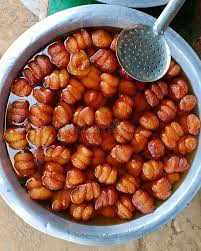
Chhena Jhili is a speciality from Nimapada in Puri district. The sweet consists of irregular, hand-shaped chhena fritters fried until just golden and then soaked in fragrant syrup. The outer surface is slightly crisp while the inside is extremely soft and porous.
Unlike Rasagola, the syrup used for Chhena Jhili is often thicker and infused with cardamom. One plate is never enough, and most people only stop when the shopkeeper says, “Bas, band heigala aaji pai.”
Kheersagar, as the name suggests, is like an ocean of kheer with tiny chhena stars floating inside. The milk is slow-cooked till thick, sweet and creamy, then studded with small, soft chhena balls. Each spoonful feels like a dip into something celestial.
This sweet is often reserved for very special occasions – thread ceremonies, annaprashan or major religious vows being completed. It is rich, indulgent and reminds you that some celebrations must be tasted slowly, without hurry.
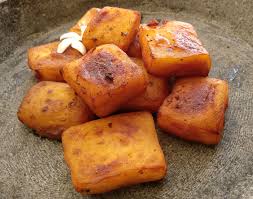
Chhena Gaja is a true test of a sweet maker’s skill. Unlike Rasagola, the chhena here is kneaded and shaped into rectangular or diamond blocks, then boiled in syrup and sometimes fried. The result is a dense, fudge-like sweet with a firm bite and a burst of flavour.
Cuttack and Puri are famous for Chhena Gaja, and many families have “their” favourite shop where they won’t compromise. With a cup of evening chai on a rainy day, two pieces of Chhena Gaja can heal a week’s worth of stress.
Poda Pitha is a festival sweet, especially loved during Raja Parba. Made with rice, lentils, jaggery, coconut and dry fruits, the batter is slowly baked or roasted until the edges turn crisp and the inside stays soft and moist.
Traditionally, Poda Pitha was cooked over charcoal in earthen ovens, giving it a smoky aroma that feels like monsoon nights and laughter on the verandah. Today, many people use modern ovens, but the soul of the sweet remains the same – rustic, earthy and full of nostalgia.
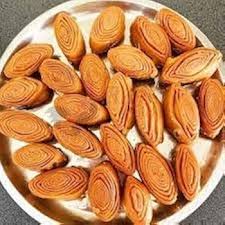
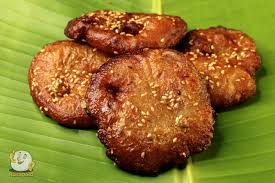
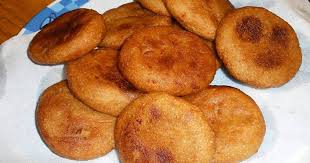
Arisa Pitha is made from rice flour and jaggery, shaped into flat discs and fried slowly in ghee or oil. The outside is crisp, while the inside is slightly chewy and nutty. Sesame seeds are often sprinkled to add texture and flavour.
It is a must-have in many Odia households during marriages, Manabasa Gurubar, and as travel food. Stored properly, Arisa stays fresh for days, making it the original “dry snack” long before modern packed foods appeared.
Kakara Pitha is a deep-fried semolina or wheat shell stuffed with sweetened coconut and cardamom. The outer layer is slightly crisp and golden, while the inside is soft, warm and fragrant.
Served mostly at evening tea or as a special treat for children returning from school, Kakara feels like a hug from your grandmother – simple, sweet and filled with love.
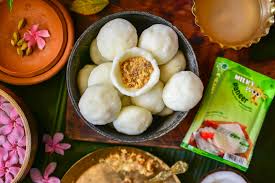
Manda Pitha is a steamed rice dumpling stuffed with coconut and jaggery. Because it is steamed and not fried, many people prefer it as a “lighter” sweet offered during puja days and fasts.
When you open the lid of a steaming pot of Manda, the mix of rice, coconut, jaggery and mild steam feels like the fragrance of a village kitchen in winter.
Chandrakanti is a rich, deep-fried sweet made from urad dal and rice flour batter, often lightly flavoured with cardamom. It is cut into square or diamond shapes and has a crisp outside with a soft, melt-in-mouth centre.
The name itself suggests something moon-like and beautiful, and it lives up to that promise on every festive plate.
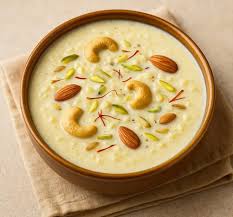
Odia Kheeri is not just milk and rice. It is patience, devotion and time in a pot. The milk is slowly reduced with rice, sugar and a hint of cardamom until it becomes thick, rich and aromatic.
In many Odia homes, Kheeri is cooked on birthdays, anniversaries, Janmashtami and special Thursdays dedicated to Lakshmi. A simple bowl of Kheeri can turn an ordinary day into a celebration.
Palua Ladu is made from rice flour (palua), sugar and ghee, sometimes enriched with coconut and nuts. These laddus are often made in big batches during Diwali, Kartik month rituals and village fairs.
They are dry, non-sticky, and store well – the kind of sweet you keep in big tins and keep refilling your plate with, without realising how many you’ve already eaten.
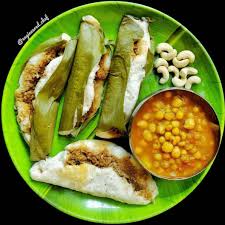
Enduri Pitha is a steamed pitha made with rice batter and coconut-jaggery stuffing, wrapped lovingly inside fresh turmeric leaves. As it steams, the aroma of the leaves enters the pitha, giving it a unique herbal, almost divine fragrance.
Prepared widely during Prathamastami and certain special pujas, Enduri represents the love of mothers and grandmothers wishing long life and prosperity for their children.
Odia sweets are not just recipes – they are memories of train journeys with tiffin boxes, temple queues with prasad packets, village weddings where everyone is fed, and quiet evenings when a single piece of Chhena Poda with chai can heal a tired heart.
The divine kitchen of Lord Jagannath has inspired millions of home kitchens across Odisha. When you cook or taste any of these sweets, remember that you are part of an unbroken tradition that has flowed for centuries.
ଜୟ ଜଗନ୍ନାଥ 🙏