Odia Foods • ଓଡ଼ିଆ ଖାଦ୍ୟ

Simple, Sattvic & Soul-Comforting Cuisine

ପଖାଳର ଥାଳି, ଦାଲମାର ଗନ୍ଧ – ଘର ମାନେ ଓଡ଼ିଶା

Odia food is deeply rooted in balance – light yet nourishing, flavourful yet gentle on the stomach. From temple kitchens in Puri to seaside homes in Gopalpur, the same philosophy flows: seasonal vegetables, minimal oil, slow cooking, and a lot of love.

Here you’ll discover 15+ classic Odia dishes that define our everyday plates and festive feasts. Close your eyes and you might just hear the sound of tempering, smell the aroma of ghee on hot rice, and feel the comfort of eating with your hands.
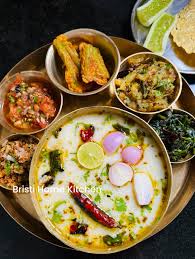
Odia Thali

15+ Soul-Satisfying Odia Dishes You Must Experience

1. Pakhala Bhata – Odisha’s Summer Lifeline

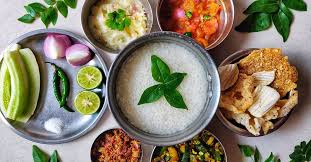
Fermented rice soaked in water, often mixed with curd, salt and green chillies – Pakhala Bhata is the unofficial national dish of Odisha. On scorching summer afternoons, a plate of Pakhala with aloo bharta, badi chura and fried vegetables feels like a blessing from the gods.

Every household has its own style – some prefer “saja pakhala” (fresh), some love “basi pakhala” (fermented overnight), while others add curd, buttermilk or lemon. What stays constant is the feeling of cool relief it brings after a long day.

So beloved is this dish that March 20 is celebrated worldwide as Pakhala Dibasa – a day when Odias everywhere post their pakhala plates with pride.

Pakhala Bhata

2. Dalma – The Heartbeat of Odia Cuisine

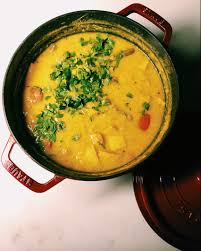
Dalma is not just dal – it is an entire philosophy in a pot. Arhar or moong dal is cooked with vegetables like pumpkin, raw banana, papaya, brinjal and drumstick, then tempered with panch phutana (five-spice) and ghee.

The dish is sattvic – no onion, no garlic – which makes it perfect for temple offerings and everyday meals alike. Served with hot rice, a bit of lime and roasted papad, Dalma becomes complete comfort food.

Every region of Odisha has its own twist – some add grated coconut, some add jeera-lanka paste, and some make a dry version called “bhaja dalma” with roasted dal and minimum gravy.

Dalma

3. Dahibara Aloodum – Cuttack’s Street Legend

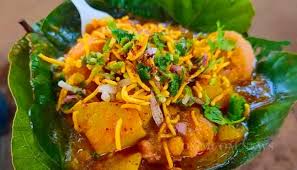
Dahibara Aloodum is more than a snack – it’s an emotion for Cuttackiyas. Soft vadas soaked in thin, lightly spiced dahi are topped with fiery aloodum, ghuguni, chopped onions, coriander and a sprinkle of sev.

Early in the morning, long queues start forming outside famous stalls. People stand patiently with steel plates in hand, chatting, laughing and wiping sweat as they wait for their turn. One plate usually leads to another.

The balance between cool dahi and hot, spicy aloodum is what makes this dish unforgettable. You can try to recreate it elsewhere, but somehow it always tastes best on a busy Cuttack roadside.

Dahibara Aloodum

4. Santula – Gentle Vegetable Medley

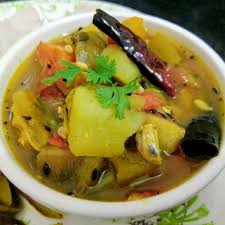
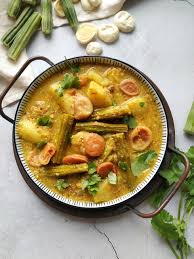
Santula is Odisha’s answer to healthy, home-style mixed vegetable curry. It can be “bhaja santula” (stir-fried) or “sijha santula” (boiled), depending on how rich or light you want your meal to be.

Made with a medley of vegetables like brinjal, pumpkin, potatoes, beans, ridge gourd and raw papaya, it is lightly spiced and often tempered with panch phutana. No heavy masalas, no overpowering flavours – just the natural taste of vegetables shining through.

Doctors often recommend Santula to patients recovering from illness, because it is nutrient-rich, easy to digest and incredibly comforting.

Santula

5. Macha Ghanta – Festive Fish Curry

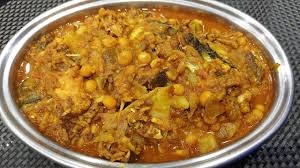
Macha Ghanta is a traditional fish curry made from fried fish heads cooked with vegetables like potatoes, pumpkin, brinjal and chickpeas in a rich, spiced gravy. It is often prepared during Durga Puja and other special occasions.

The dish is bold, hearty and deeply satisfying. Served with steamed rice and a wedge of lemon, it brings together the sea, the soil and the spices of Odisha in one bowl.

Macha Ghanta

6. Kanika – Sweet Fragrant Rice

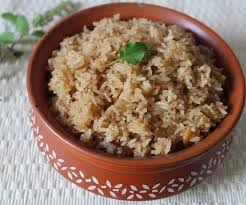
Kanika is a mildly sweet, ghee-laden rice dish often served as part of Lord Jagannath’s Mahaprasad. Basmati or fine rice is cooked with ghee, sugar, cashews, raisins and aromatic whole spices.

It pairs beautifully with Mutton Kasa, Dalma or just a simple curry. For many Odias, the smell of Kanika signals that a true feast has begun.

Kanika Rice

7. Mudhi Mansa – Baripada’s Iconic Combo

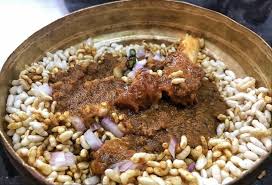
Mudhi (puffed rice) paired with spicy mutton curry is a legendary combination from Baripada. The light, crisp mudhi absorbs the rich gravy, creating a riot of textures.

This dish is proof that Odia cuisine doesn’t always need rice or roti – sometimes a humble handful of puffed rice is enough to create magic.

Mudhi Mansa

8. Chungdi Jhola – Light, Spicy Prawn Curry

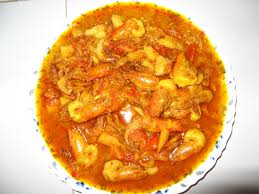
Chungdi Jhola is a simple yet flavourful prawn curry with a thin, spicy gravy. Mustard oil, garlic, tomatoes and a touch of coriander create a sharp, aromatic base that coats the prawns without overpowering their natural sweetness.

Paired with steamed rice and a squeeze of lemon, it tastes like the coastline of Odisha in one plate.

Chungdi Jhola

9. Besara – Mustard Magic

Besara is a mustard-based curry that can be made with vegetables, fish or leafy greens. The signature flavour comes from a paste of mustard seeds, garlic and green chillies ground into a smooth mix and cooked gently in oil.

The tang, heat and aroma of Besara is uniquely Odia, pairing beautifully with plain rice or Kanika. It is bold, slightly sharp and completely addictive once you develop a taste for it.

Besara Curry

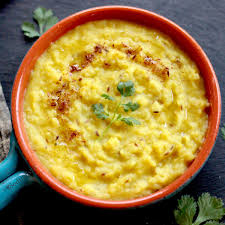
10. Khichdi – Mahaprasad’s Gentle Centre

Khichdi in Odisha is sattvic and ghee-rich, forming a core part of the Jagannath Mahaprasad. Rice and lentils are cooked together with turmeric and ghee, resulting in a soft, mildly flavoured, deeply comforting dish.

Paired with dalma, besara and kheer, this simple khichdi becomes part of a royal divine meal served to thousands of devotees every day.

Khichdi

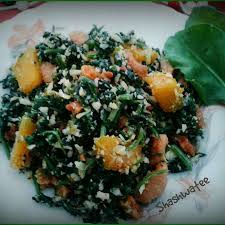
11. Saga Bhaja – Greens with Soul

Saga Bhaja (stir-fried leafy greens) is a daily staple in many Odia homes. Kosala saga, poi saga, palak and other seasonal greens are sautéed with minimal spices, garlic or sometimes just whole chillies.

When eaten with rice, dal and a squeeze of lemon, Saga Bhaja feels like pure health on a plate – simple, earthy and deeply satisfying.

Saga Bhaja

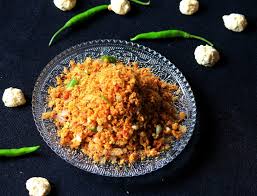
12. Badi Chura – Crunchy Flavour Bomb

Badi (sun-dried lentil dumplings) are roasted or fried and then crushed with onion, garlic, green chillies, mustard oil and salt to create Badi Chura – a side dish that can transform even the simplest pakhala or rice meal.

Every region has its own style of badi – some small and spicy, some big and mild – but once turned into badi chura, they all become dangerously addictive.

Badi Chura

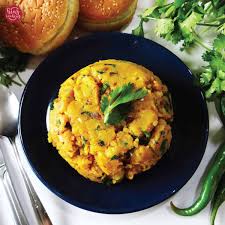
13. Alu Bharta – Mashed Potato, Odia Style

Alu Bharta (or pitika) is mashed boiled potatoes mixed with mustard oil, chopped onion, coriander, green chillies and sometimes roasted garlic. It is the simplest thing on the plate and often the first thing to finish.

When eaten with pakhala or hot rice, it tastes like childhood – comforting, uncomplicated and full of warmth.

Alu Bharta

14. Mutton Kasa – Slow-Cooked Indulgence

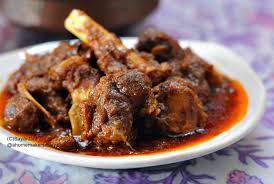
Odia Mutton Kasa is a thick, slow-cooked curry where mutton pieces are bhuna-fried with onions, ginger-garlic, curd and spices until the fat renders and the gravy becomes deep red and glossy.

Traditionally served with Kanika or plain rice during Sundays and special celebrations, this dish is proof that Odia non-veg can be as soulful and balanced as its vegetarian side.

Mutton Kasa

15. Savoury Enduri & Pitha Plates

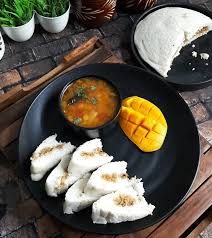
While many pithas are sweet, savoury versions of Enduri, Chakuli and other rice-lentil pancakes also form an important part of the Odia food landscape. Served with ghuguni, aloo tarkari or chutneys, they make for light yet filling breakfasts and dinners.

These dishes show how beautifully Odia cuisine uses the same ingredients – rice, lentils, vegetables – in countless forms without ever feeling repetitive.

Odia Breakfast Pithas

Odia cuisine is not about show-off plating or heavy spices. It is about balance, intuition and cooking with the seasons. It respects the body and the planet, wastes very little, and keeps health at the centre without ever sacrificing taste.

Whenever you cook or eat any of these dishes, remember that you are tasting the same flavours that have nourished generations before you – from farmers and fishermen to priests and kings.

ଆସନ୍ତୁ, ଓଡ଼ିଆ ଖାଦ୍ୟକୁ ଗର୍ବର ସହ ଭୋଗ କରିବା • ଜୟ ଜଗନ୍ନାଥ 🙏